There’s a particular kind of quiet that happens when a child crouches down to watch an ant carry something twice its size across the sidewalk. No one told them to stop and look. No one handed them a worksheet on insect behavior. They just noticed, and then they got curious, and that curiosity did more for their thinking than most of us realize.
Long before a child sits at a desk, nature is already teaching them. A puddle becomes a lesson in cause and effect the moment a stick sends ripples across it. A fallen branch becomes a balance beam, then a bridge for ants, all in the span of ten minutes, and each version is its own small act of problem-solving and invention. Nobody is grading this. That’s exactly why it works.
Observation comes first, and it comes naturally
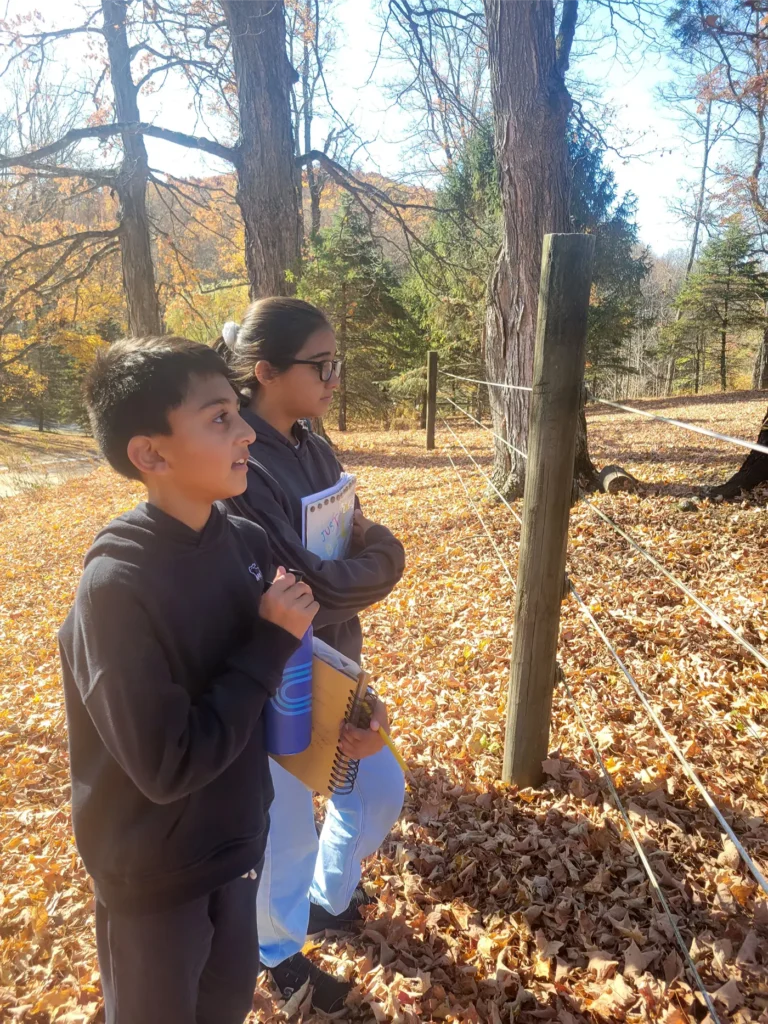
Ask a child what they notice about a leaf and you’ll get an answer an adult would never think to give. The edges are bumpy. It smells a little like rain. There’s a hole where something was eating it. Children are wired to observe closely when nothing is telling them what to look for, and that habit of careful, unhurried noticing is the same skill they’ll lean on later in science, in research, in simply paying attention to the world around them.
Curiosity doesn’t need to be manufactured outdoors
Indoors, we sometimes have to work to spark curiosity. Outside, it’s just sitting there, waiting. Why does the shadow move? Where do the birds go when it rains? Why does this rock feel warm and that one feel cool? A child asking these questions is already doing the work of a scientist, forming a question and then going looking for the answer, often through trial and error rather than being told.
Problem-solving shows up in the small stuff
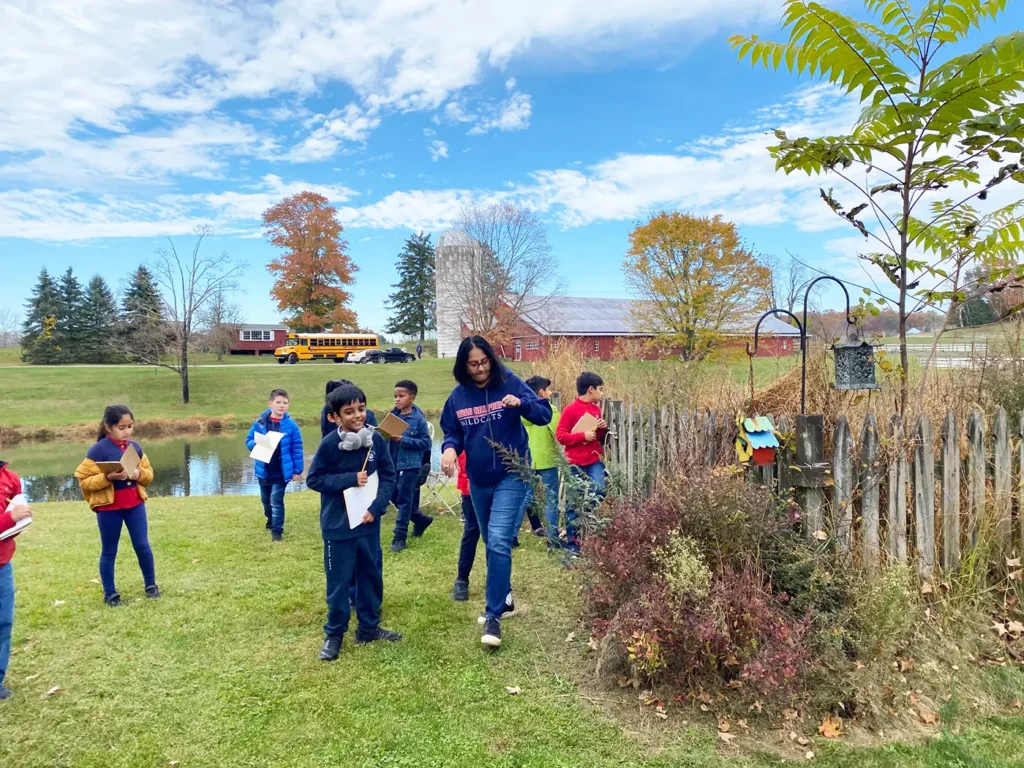
Figuring out how to get a ball unstuck from a bush, or how to build a dam out of rocks that won’t wash away, is a real engineering problem, just scaled down. Children experiment. They fail. They adjust and try again. That loop, try it, watch what happens, change the approach, is the same thinking process that drives real scientific inquiry, except in childhood, the environment does the teaching.
Resilience gets built quietly, one setback at a time
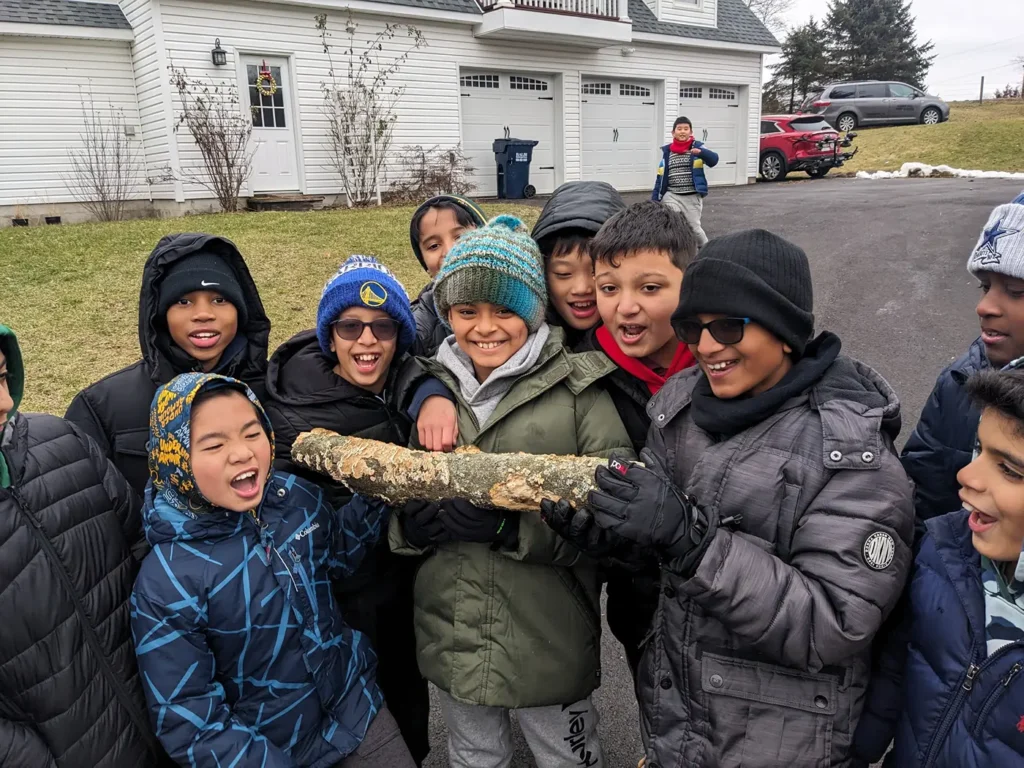
A child who falls off a low branch and climbs back up, who gets frustrated when their dam keeps washing away and tries again anyway, is practicing something far more valuable than the activity itself. They’re learning that setbacks aren’t the end of the story. That lesson tends to stick because it wasn’t lectured, it was lived.
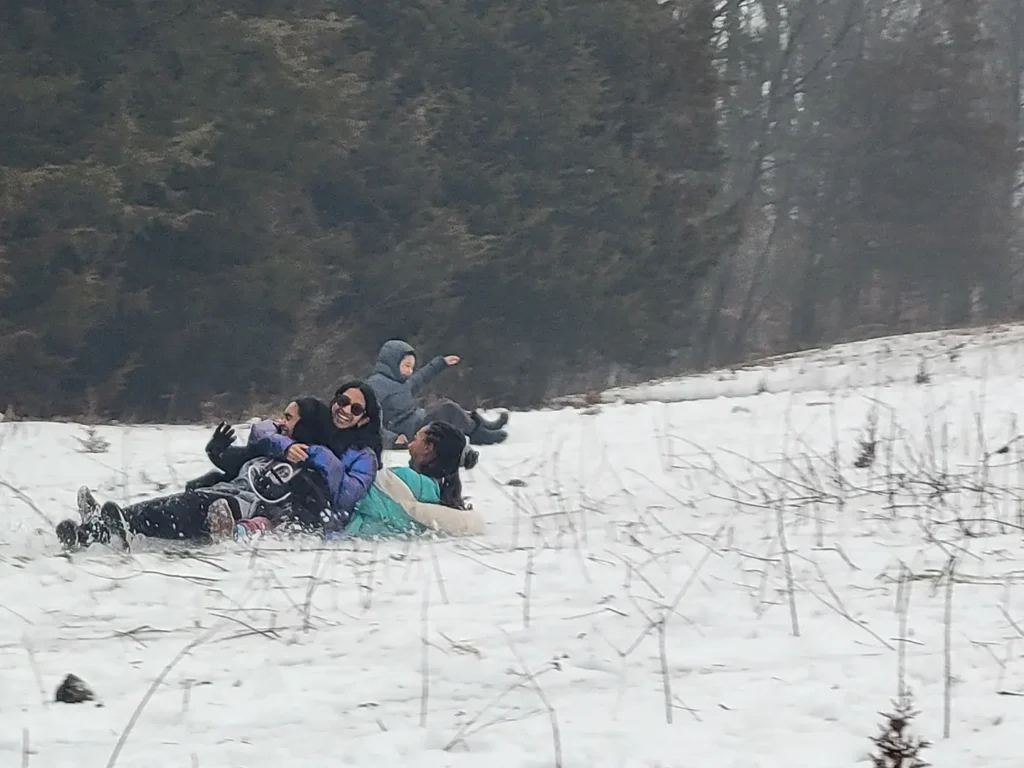
And creativity has nowhere to hide, in a good way
Give a child a pile of sticks, some mud, and a few interesting rocks, and nature doesn’t come with instructions, so every object becomes whatever their imagination decides it should be. That kind of open-ended, self-directed inquiry is where real creative and analytical thinking takes root.
Research consistently backs this up: nature-based learning genuinely supports a child’s cognitive growth, emotional regulation, and problem-solving ability, often more effectively than a structured indoor setting can manage on its own. The outdoors isn’t a break from learning. For a young child, it might be the most complete classroom there is.
From curiosity in the backyard to research in the field
That early instinct to observe, question, and investigate doesn’t have to fade once a child grows older. At NJIN, we believe it’s worth nurturing all the way through the middle and high school years, which is why we built the Capstone Research Project.
Capstone gives high-achieving middle and high school students the opportunity to work directly with scientists and researchers from prominent universities, learning how to conduct independent research and complete coursework that prepares them for science competitions, college admissions, and even publication.
Who should apply? Motivated middle and high school students interested in Environmental Sciences, Biology, or Biomedical Sciences. No prior research experience is required. The program is offered as a hybrid track (online coursework, Zoom mentorship, and field trips) or a fully virtual track (online coursework, Zoom mentorship, and independent field work with guidance).
Why apply? Capstone prepares students with the analytical skills needed for competitions like the Young Scientist Challenge and the Regeneron Science Talent Search, and lays the groundwork for AP Capstone Research and the IB Capstone Project. It’s a chance to pursue a real passion project while building a research record that stands out in college admissions.
The child who once crouched down to watch an ant is the same student who, years later, might be designing their own field study. The instinct never really changes. It just needs the right environment to keep growing in.