
America’s forests provide far more than beautiful landscapes. They supply the wood used in our homes, the clean water we drink, wildlife habitat, recreational opportunities, carbon storage, and even ingredients used in medicines. Yet forests today face growing pressures from climate change, catastrophic wildfires, invasive species, development, and increasing demand for natural resources.
How can we protect these vital ecosystems while still supporting forestry jobs and producing the materials society needs?
One promising solution is the 3-Forest Model, also known as the Triad Approach. Rather than managing every forest the same way, this strategy recognizes that different forests serve different purposes. By dividing the landscape into three management categories — Protected Forests, Restoration Forests, and Working Forests — the model seeks to balance conservation, ecosystem health, and economic sustainability.
Why We Need a New Approach
For decades, forest management debates have often been framed as a choice between conservation and logging. In reality, healthy forests require both protection and active management. Some areas are best left largely untouched, while others need restoration to recover from decades of fire suppression or environmental degradation. At the same time, society continues to depend on renewable forest products and the jobs they support.
The 3-Forest Model offers a practical framework that recognizes these different needs across the landscape.
1. Protected Forests: Conserving Nature’s Greatest Assets
Protected forests are managed primarily for conservation. These areas contain some of the nation’s most valuable ecological resources, including old-growth forests, critical wildlife habitat, pristine watersheds, and unique ecosystems.
Management in these areas is minimal and focused on preserving natural processes. Activities may include scientific monitoring, habitat protection, and efforts to prevent development or other threats.
Benefits of Protected Forests
- Preserve biodiversity and endangered species
- Store large amounts of carbon
- Protect drinking water sources
- Provide opportunities for recreation and education
- Maintain ecological resilience for future generations
Examples include national parks, wilderness areas, and other lands designated primarily for conservation.
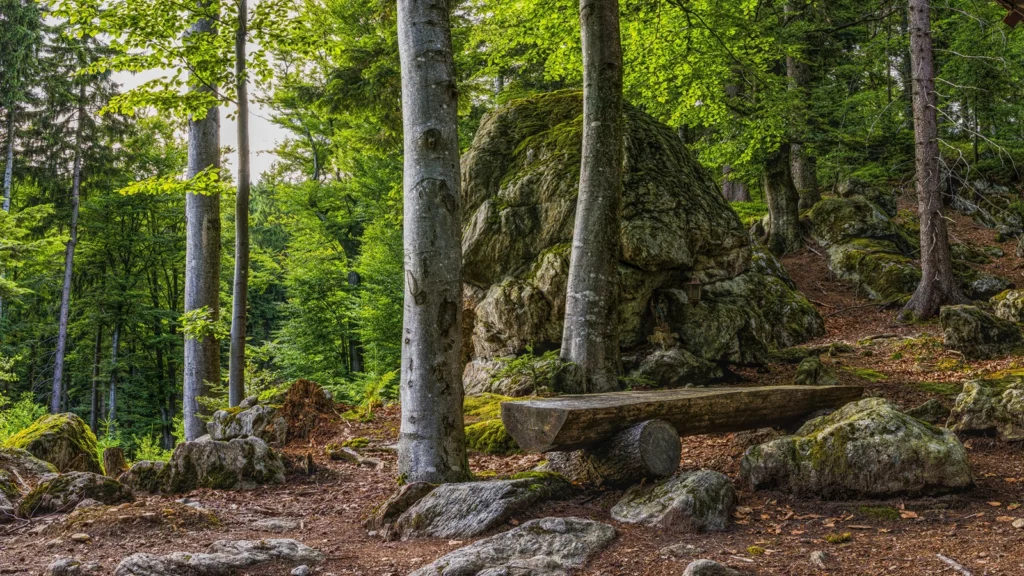
2. Restoration Forests: Healing Damaged Landscapes
Not all forests are healthy. Many ecosystems have been altered by past land-use practices, invasive species, drought, insect outbreaks, and decades of wildfire suppression. In some regions, forests have become unnaturally dense, making them more vulnerable to severe wildfires.
Restoration forests are actively managed to rebuild ecological health and resilience.
Common Restoration Activities
- Prescribed burns
- Thinning overly dense stands
- Reforestation after wildfire
- Stream and watershed restoration
- Invasive species control
- Wildlife habitat improvement
Benefits of Restoration Forests
- Reduce catastrophic wildfire risk
- Improve ecosystem resilience to climate change
- Enhance wildlife habitat
- Protect communities near forests
- Restore natural ecological processes
These forests function as the “recovery zones” of the landscape, helping ecosystems regain their natural balance.
3. Working Forests: Producing Renewable Resources Sustainably
Working forests are managed to provide timber, wood products, and other forest-based resources while maintaining long-term forest health.
Rather than maximizing short-term harvests, sustainable forestry practices ensure that forests continue to regenerate and provide environmental benefits for future generations.
Products from Working Forests
- Lumber for construction
- Paper products
- Engineered wood and mass timber
- Bioenergy feedstocks
- Medicinal plants and non-timber forest products
Sustainable Management Practices
- Selective harvesting
- Replanting after harvest
- Soil and water protection measures
- Wildlife habitat conservation
- Long-term forest management planning
Benefits of Working Forests
- Support rural economies and forestry jobs
- Provide renewable building materials
- Reduce dependence on non-renewable resources
- Supply wood products while reducing pressure on protected forests
- Working forests demonstrate that conservation and economic activity can coexist when managed responsibly.
How the Three Forest Types Work Together
The strength of the 3-Forest Model lies in its balance. Instead of expecting every acre to fulfill every goal, different parts of the landscape are managed according to their greatest ecological and social value.
| Forest Type | Primary Goal | Management Intensity |
| Protected Forests | Conservation and biodiversity | Low |
| Restoration Forests | Ecosystem recovery and resilience | Moderate |
| Working Forests | Sustainable resource production | Active |
Together, these three categories create a more resilient and sustainable forest system.
Supporting USDA Conservation and Restoration Goals
The 3-Forest Model aligns closely with major USDA and U.S. Forest Service priorities, including:
- Conserving critical forest ecosystems
- Restoring degraded landscapes
- Reducing wildfire risk
- Supporting sustainable forestry
- Protecting watersheds and wildlife habitat
- Strengthening rural economies
Programs such as the Forest Legacy Program, the Collaborative Forest Landscape Restoration Program (CFLRP), the Forest Stewardship Program, and Healthy Forests Restoration initiatives all contribute to different aspects of this landscape-based approach.
Looking Ahead
As climate change, development pressures, and wildfire risks continue to grow, forest management will become increasingly important. The 3-Forest Model offers a practical framework for addressing these challenges by recognizing that forests serve multiple roles in society.
By protecting our most valuable ecosystems, restoring damaged landscapes, and sustainably managing working forests, we can ensure that America’s forests continue to provide clean water, wildlife habitat, renewable resources, recreation, and jobs for generations to come.
Final Thoughts
The future of forestry is not about choosing between conservation and economic development. It is about finding ways to achieve both. The 3-Forest Model provides a balanced path forward — one that protects nature, restores ecosystem health, and sustains the renewable resources and livelihoods that forests provide.
In a world of growing environmental challenges, this approach may be one of the most effective ways to keep America’s forests healthy, productive, and resilient for the long term.
Sources:
- Wikipedia
- Forest Legacy Program
- US Forest Service
- Forest Legacy – US Forest Service
- Forest Legacy projects provide important habitat for numerous wildlife species such as the grizzly bear. Photo by Steve Neel. The Forest Legacy Program is a conservation program administered by the Forest Service in partnership with State agencies to encourage the protection of privately owned forest lands through conservation easements or land purchases. Protection of private forests through …
- Wikipedia: Private landowner assistance program
- conservationfund.org – The Conservation Fund Celebrates Forest Legacy Program Investments
- December 10, 2024 — Forests provide essential ecological, economic, and community benefits to all Americans, and this announcement showcases the Forest Legacy Program’s dedication to conserving private forestlands of nat…
- forestpolicypub.com
- Forest Legacy 2024 Funded Projects… and Using the Climate and …
- May 22, 2024 — I still wonder whether conservation is defined differently between USDA and Interior. If not, then “conservation leases” could include (sustainable) timber harvest. USDA’s Forest Service is providing…
- usda.gov
- Forest Legacy – US Forest Service
- Forest Legacy projects provide important habitat for numerous wildlife species such as the grizzly bear. Photo by Steve Neel. The Forest Legacy Program is a conservation program administered by the Fo…
- climateprogramportal.org
- Forest Legacy 2024 Funded Projects | US Forest Service
- The investments will ensure that these forestlands will remain working forests while advancing the most critical conservation issues, like protecting watersheds, reducing the risk of catastrophic wild…
- arcgis.com
- Forest Legacy Program Interactive Map – ArcGIS
- Using this Interactive Map This interactive map shows the national impact and environmental context of Forest Legacy Program investments. It displays three data layers important to the program. Forest…
- tpl.org
- U.S. Forest Service Forest Legacy Program (FLP)
- A state enters the voluntary program by submitting an Assessment of Need (AON) to the Secretary of Agriculture for approval. These plans establish the lead state agency, the state’s Forest Legacy proj…
- thewflc.org
- Forest Legacy Program | Western Forestry Leadership Coalition
- The Forest Legacy Program (FLP) is a conservation program administered in partnership by the USDA Forest Service (Forest Service) and state agencies. The purpose of the FLP is to identify and conserve…
- idaho.gov
- Forest Legacy Program
- The Forest Legacy Program (FLP) is a program that seeks to protect privately owned, economically and environmentally important forestlands that are threatened by conversion to non-forest uses. FLP is…
- oregon.gov
- 2023-2024 Report: Forest Legacy Program – Oregon.gov
- The Oregon Forestry Legacy Program is a voluntary, application based program that provides funds for the purchase of development rights to eligible private forestlands through either conservation ease…
- grantsoffice.com
- Forest Legacy Program (FLP) – upstream.grantsoffice.com
- Summary The purpose of the Forest Legacy Program (FLP) is to identify and protect environmentally important forest areas that are threatened by conversion to nonforest uses and to promote forestland p…
- lwcfcoalition.org
- FOREST LEGACY PROGRAM – The Land and Water Conservation Fund
- The Forest Legacy Program (FLP) is administered by the USDA Forest Service in cooperation with state